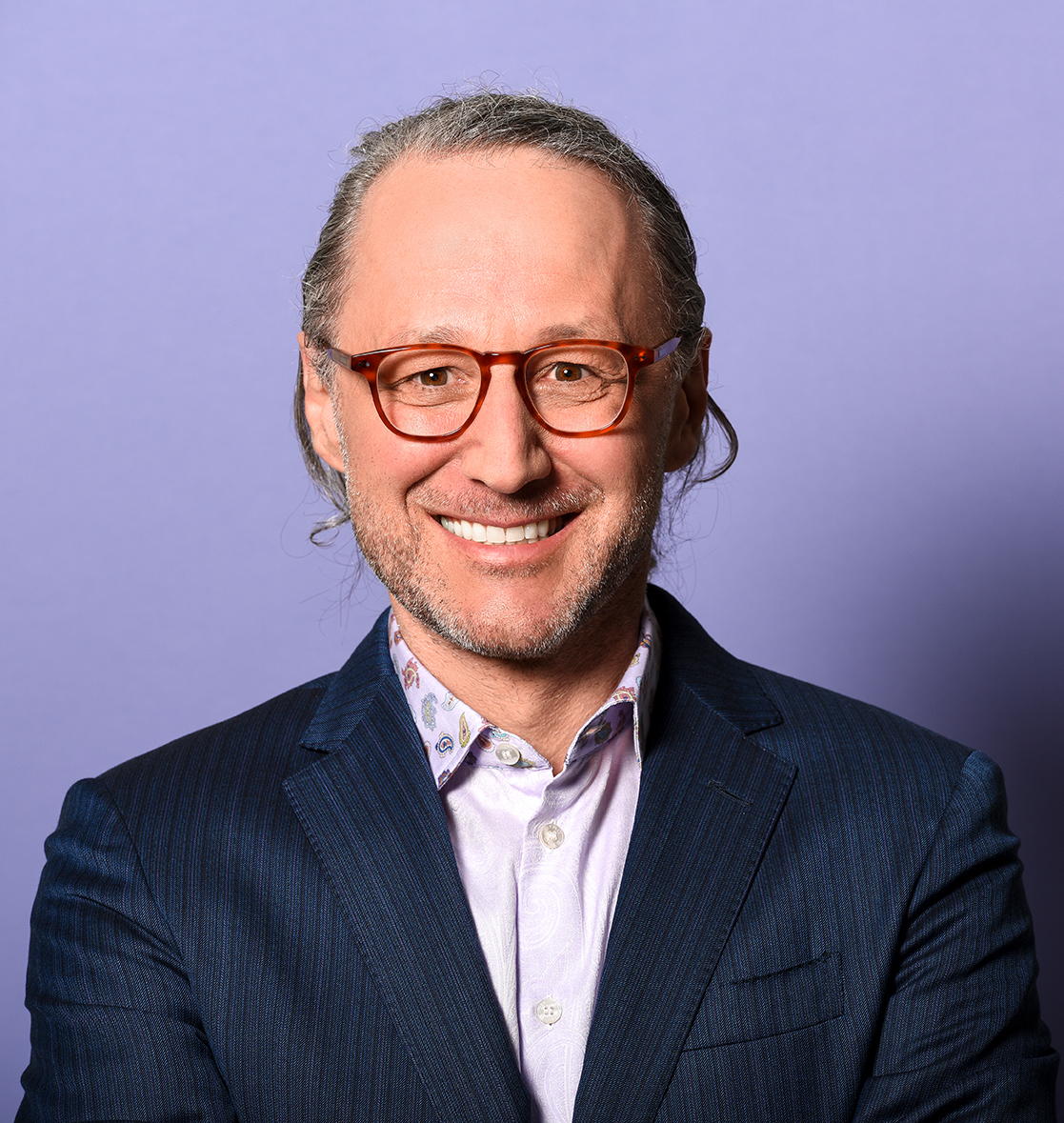
Alen Vukovic
Independent Researcher in Political Communication
United States & Germany
I am an independent researcher working on political communication, media systems and political behavior in the United States and Germany.
My research focuses on how political messages move through media environments, how narratives and ideological frames evolve over time, and how campaigns, platforms and journalism shape political perception.
I work with large-scale political and media datasets, quantitative content analysis, statistical modeling and comparative research.
My aim is simple: to understand political communication as it actually works, not as we assume it works.
Why I Study This
I grew up in a Yugoslav immigrant family in Germany.
That meant politics was never something abstract to me. It was always connected to identity, belonging, fear, conflict, loyalty and the stories people tell themselves about what is happening around them.
I learned early that two groups can look at the same event and come away with completely different versions of reality.
That stayed with me.
Years later, while working in strategy, transformation and communications in Germany and the United States, I began to see a similar problem in organizations and political environments.
People rarely suffer from a lack of information.
They suffer from a lack of orientation.
There is more data, more news, more commentary and more analysis than ever before. Yet it is often harder to understand what is actually changing, which signals matter and which developments are likely to shape political behavior next.
Today, that problem is becoming even more complex.
Political communication now moves through fragmented media systems, social platforms, recommendation algorithms and increasingly separate information environments.
A message can change meaning as it travels.
A politician can dominate attention and still lose trust.
A campaign can optimize reach while misunderstanding the voters it is trying to reach.
A media system can cover the same event hundreds of times and still leave important changes almost invisible.
These are the questions that interest me.
Not which political side is right.
But how political communication actually works.
And how we can measure it.
Research Focus
My work currently concentrates on six areas:
- Political communication and campaign strategy
- Media systems and political discourse
- Political behavior and voter response
- Narratives, framing and ideological change
- Algorithmic media environments
- Comparative political communication in the United States and Germany
A particular focus of my research is the relationship between political actors, journalism, platforms and audiences.
I am interested in what happens between the moment a political actor says something and the moment a voter interprets it.
That space is becoming increasingly important.
It is also increasingly measurable.
How I Work
My research is empirical and data-driven.
Depending on the question, I work with media corpora, political speeches, campaign communication, interviews, platform content and historical election data.
The methods include quantitative content analysis, statistical testing, regression analysis, dimensionality reduction, clustering, time-series analysis and comparative research.
Whenever possible, I document the underlying data, measurement logic, assumptions and limitations.
The purpose is not to create certainty where none exists.
It is to reduce avoidable uncertainty.
Professional Background
Before focusing on political communication research, I worked in corporate development, strategy, organizational transformation and communications in Germany and the United States.
I began my career in Corporate Development at Siemens AG in Munich and later worked with executives, management teams and organizations on questions of strategy, change and communication.
Today, I am also the founder of Framegate Intelligence and the creator of CampaignConsult.ai.
Framegate Intelligence works with political challengers and incumbents on communication and strategy in algorithmic media environments.
CampaignConsult.ai is being developed as a campaign intelligence platform for lawmakers and candidates.
The commercial work is organizationally separate from the research published on this site.
The research, however, informs how I think.
And the practical work constantly creates new questions worth researching.